AI video production, for people who ship

Build the world.Then shoot it.

Author your characters, places, props and style once. Every shot after that is generated from the same canonical assets — so episode seven looks like episode one, whoever made it.

Made with Storyworld

The assets the film was shot from.

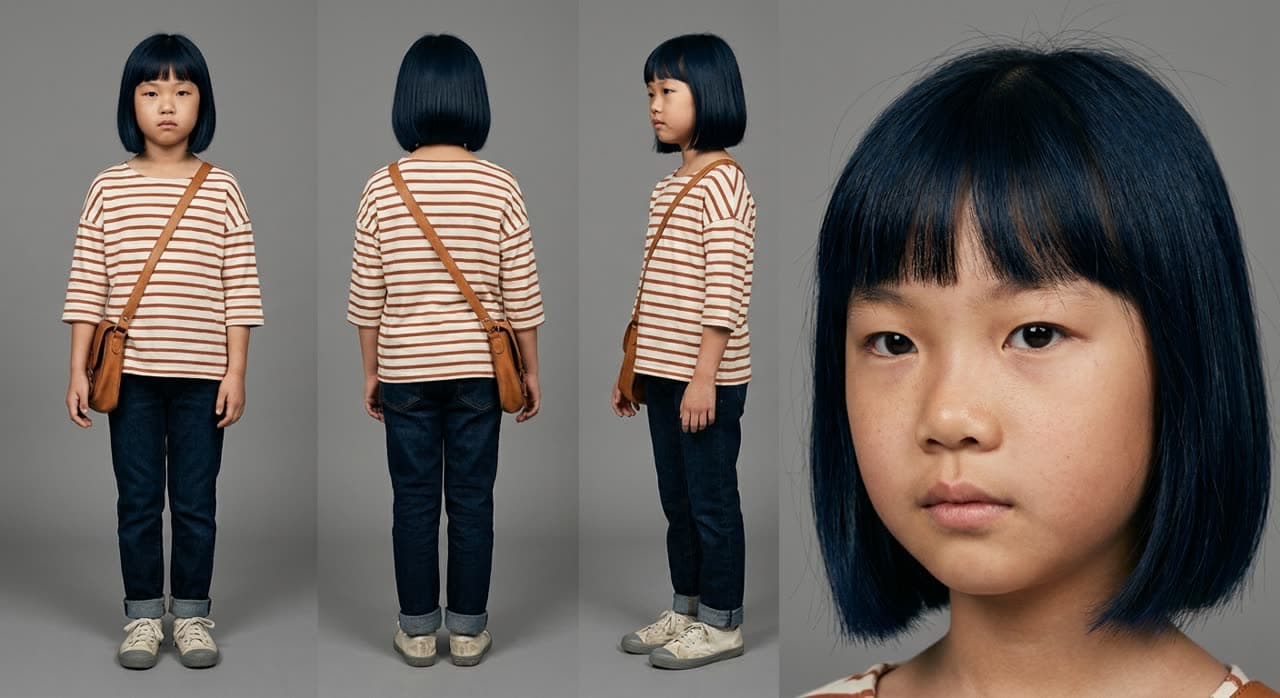
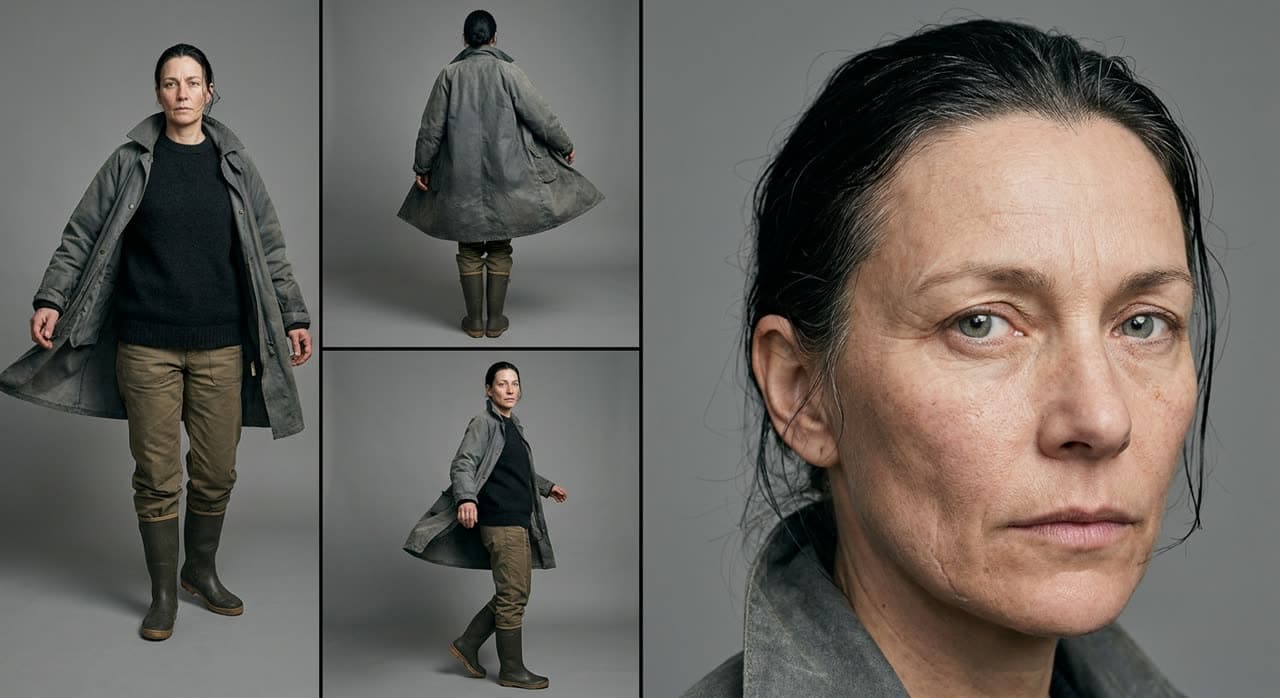
Every frame of the film above compiles from these: two character sheets and four location plates, authored once in a single World and referenced by name in every shot.

Character sheet for Mei, a nine-year-old girl in a striped top and satchel: front, back and side turnaround with a close portraitHero film asset
CHAR · MEICharacter sheet · Mei
Character sheet for Nara, a weathered woman in a grey work coat: full figure, back view and a close portraitHero film asset
CHAR · NARACharacter sheet · Nara
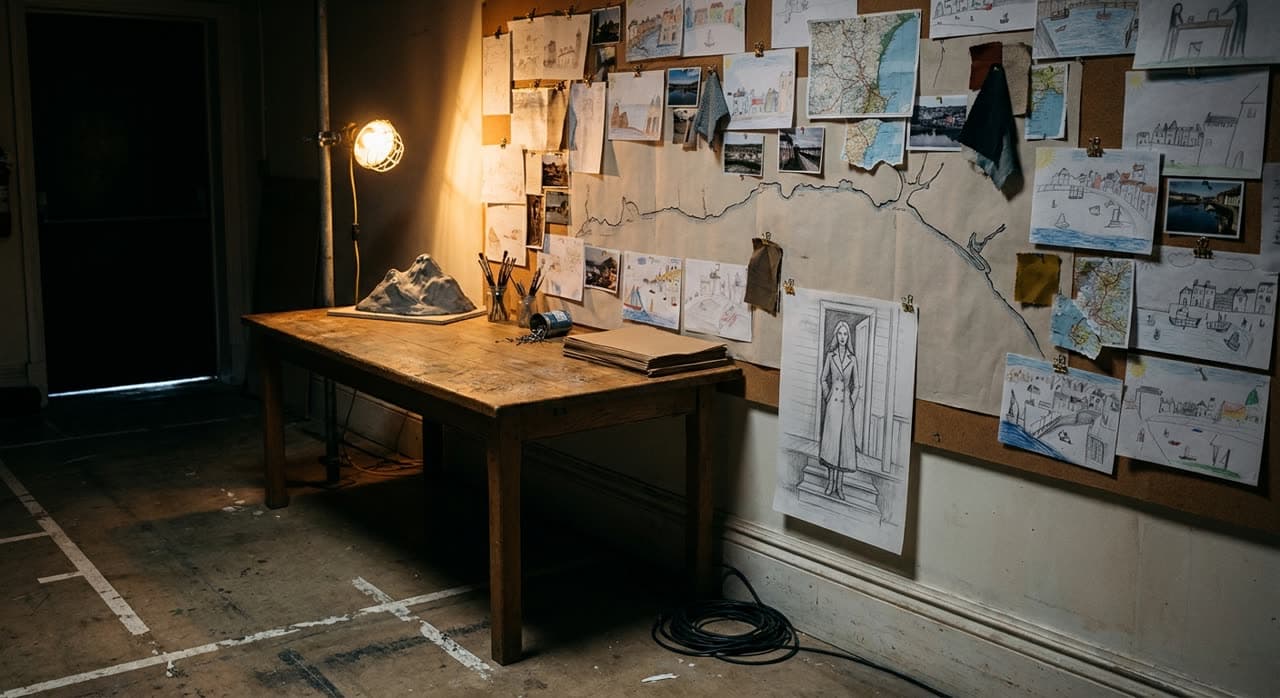
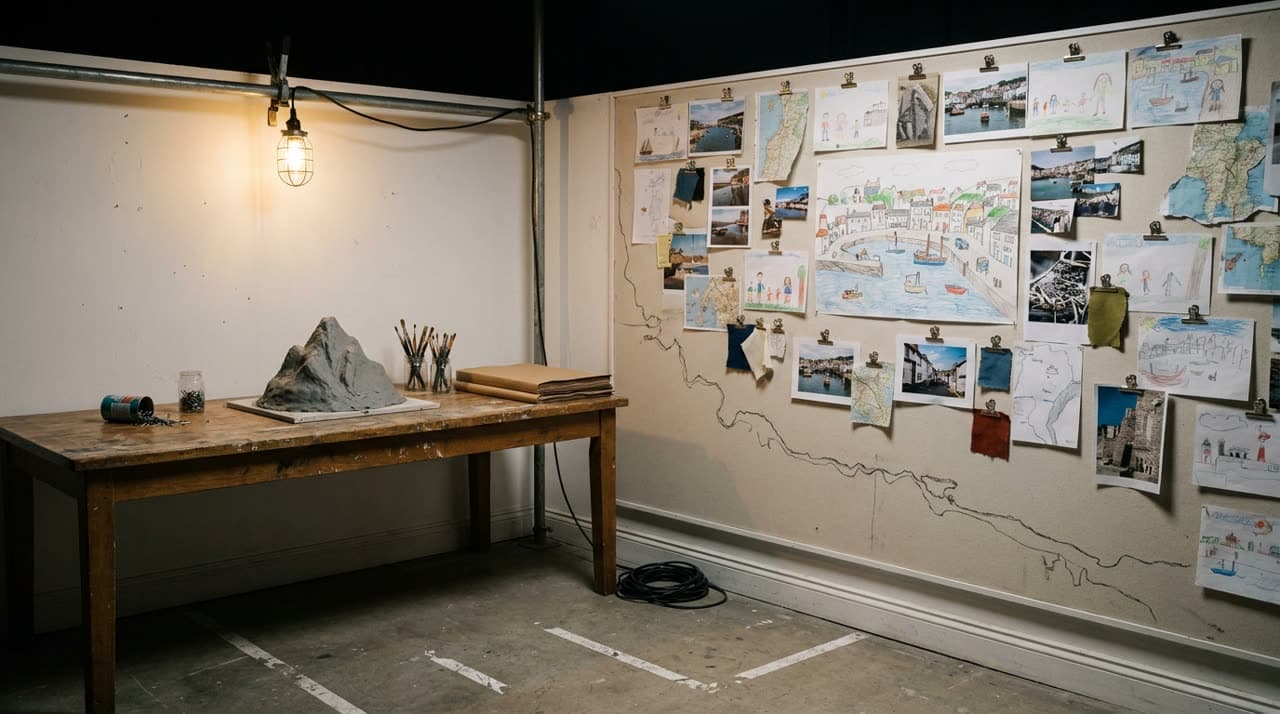
Location plate: a scarred oak art table under a worklight, maps and drawings pinned across the wall behind itHero film asset
LOC · BAY 1The World bay · night, worklight
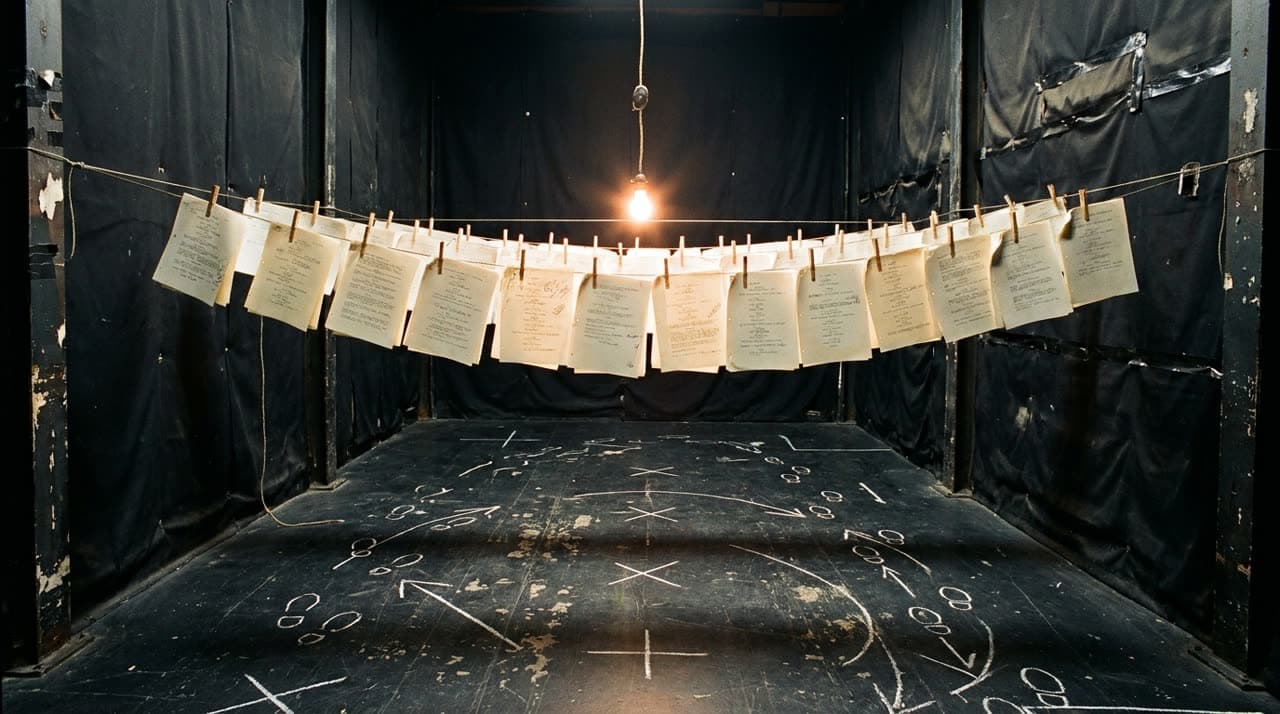
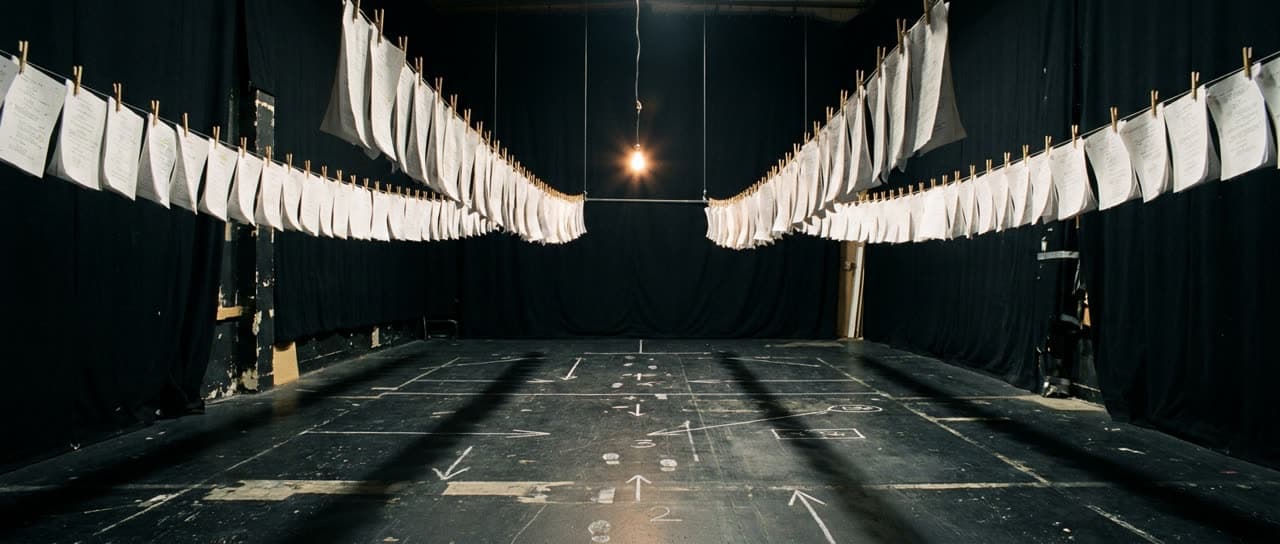
Location plate: script pages pegged along a wire under a bare bulb, chalk marks on a black stage floorHero film asset
LOC · BAY 2The Script bay · pages on the wire
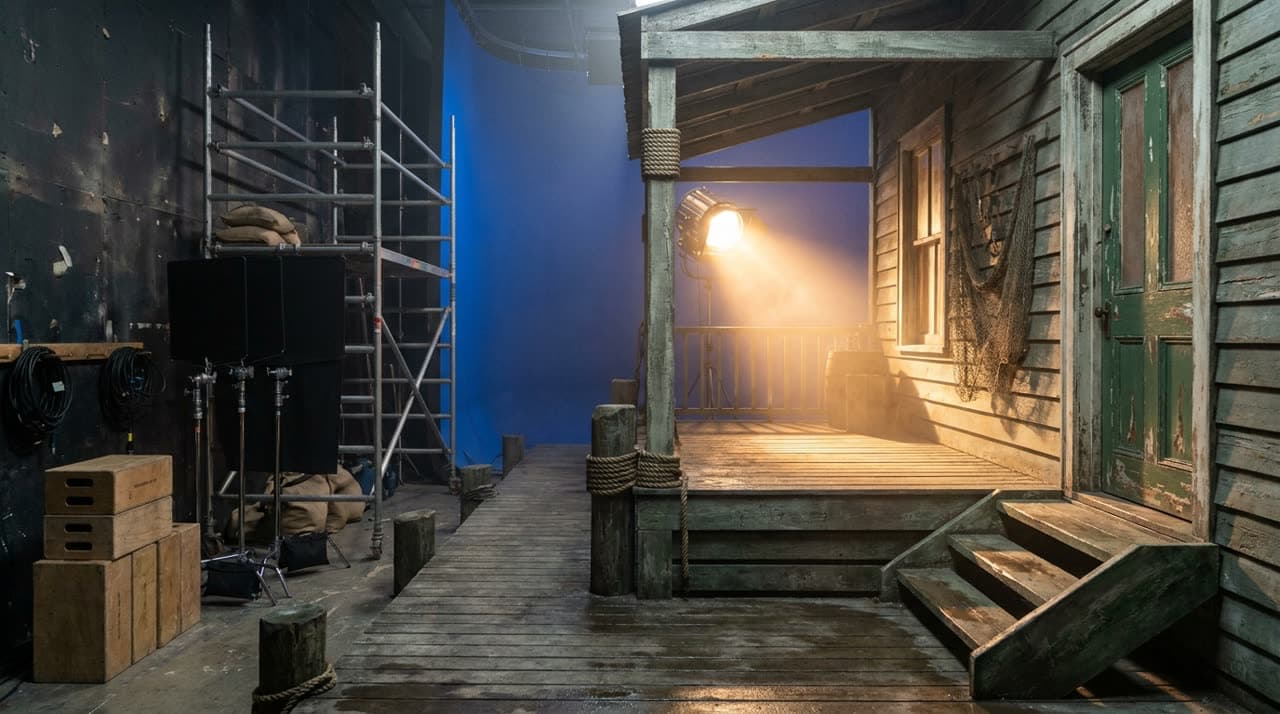
Location plate: a weathered wooden porch set with a green door, scaffolding and a blue backdrop behind itHero film asset
LOC · BAY 3The Picture bay · the porch
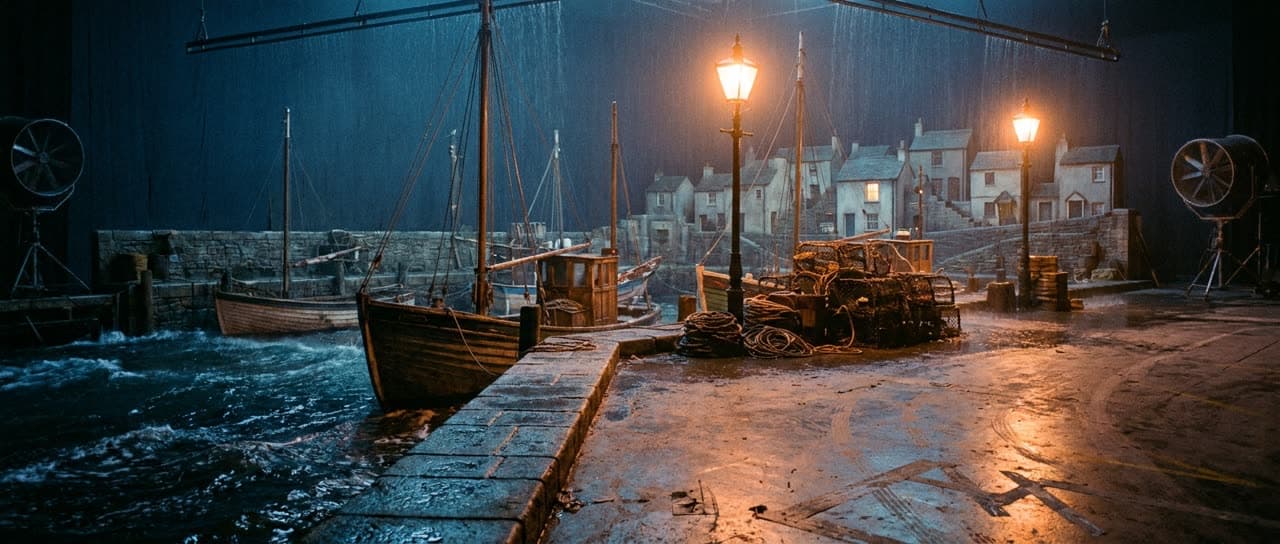
Location plate: a stone quay at night in rain, moored boats and gas lamps against a harbour townHero film asset
LOC · BAY 4The Motion bay · storm quay
The first plate of the World bay: the art table and pinboard wall before the worklight was addedHero film asset
LOC · BAY 1 · V1The World bay · first plate
The first plate of the Script bay: two wires of pages converging over an empty black stageHero film asset
LOC · BAY 2 · V1The Script bay · first plate

Our own production, generated in Storyworld for the film above. Customer work appears here only with permission — claims.md C3.

The World

A World holds the canon. Every shot compiles from it.

Characters, places, props, style and rules live in one place. A project shoots inside that World, so the seventh episode is built from the same assets as the first — not from a prompt someone rewrote from memory.

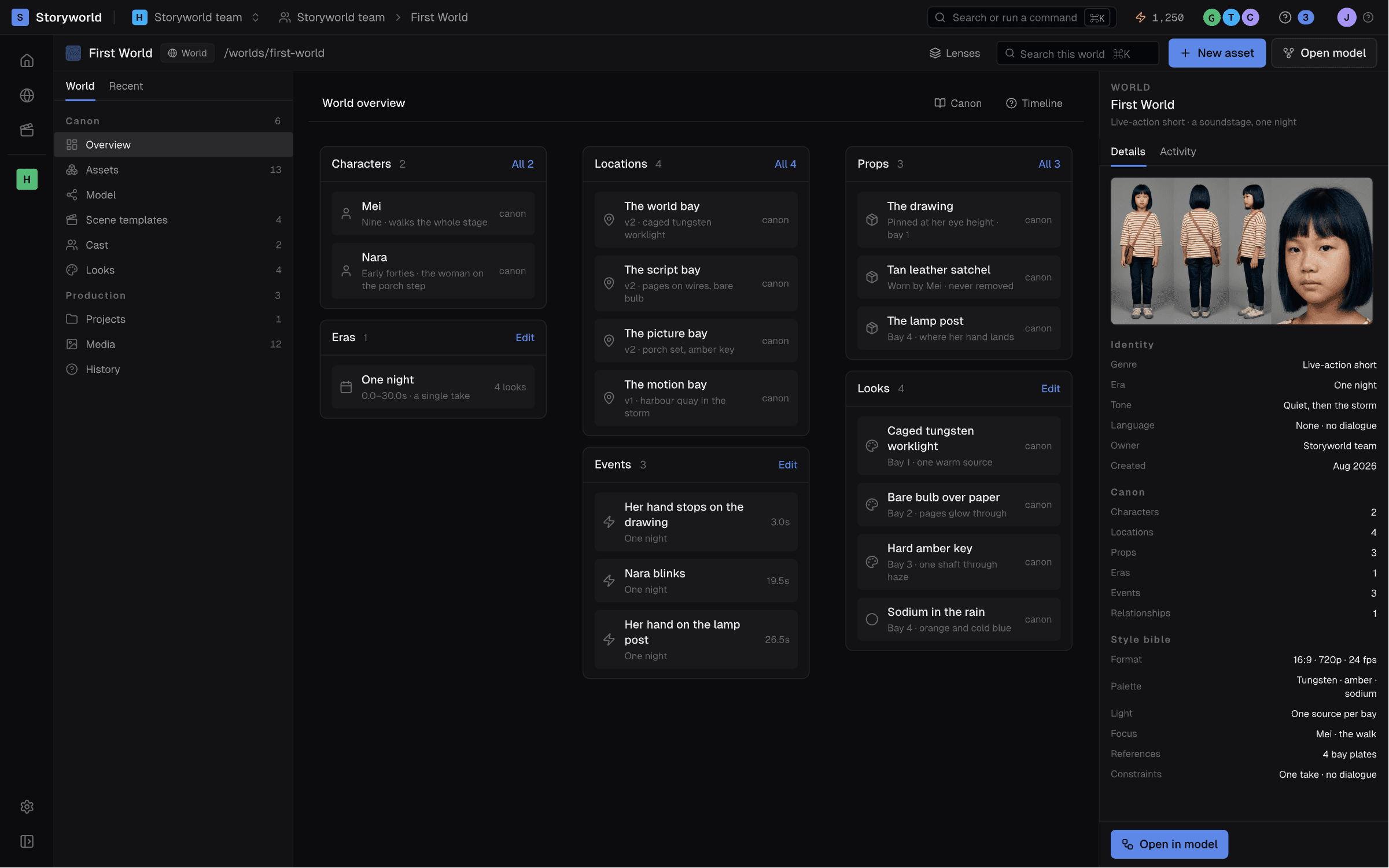
Storyworld World overview for First World: Mei and Nara, the four bays, props, eras, events and looks, each marked canon, with Mei's character sheet open in the inspector
World overview · every asset, its variants and its canon status in one screen
How it works

One spine from script to cut.

Storyworld is a production pipeline, not a prompt box. Work moves down one spine, and every stage compiles from the World above it.

  1. 01

    World

    Characters, locations, props, eras, looks and rules. Authored once, versioned, marked canon.

  2. 02

    Project

    An episode, a spot, a series. It shoots inside one World and inherits its canon.

  3. 03

    Sequence

    A unit the script breaks into — one time, one place, cast from the World's characters and locations.

  4. 04

    Shot

    The camera setup. Its prompt names assets with @, never describes them from memory.

  5. 05

    Take

    One generation of a shot, its cost quoted before it runs. Keep the good one.

  6. 06

    Cut

    Takes on a timeline with dialogue, music and effects. Render to MP4, up to 4K.

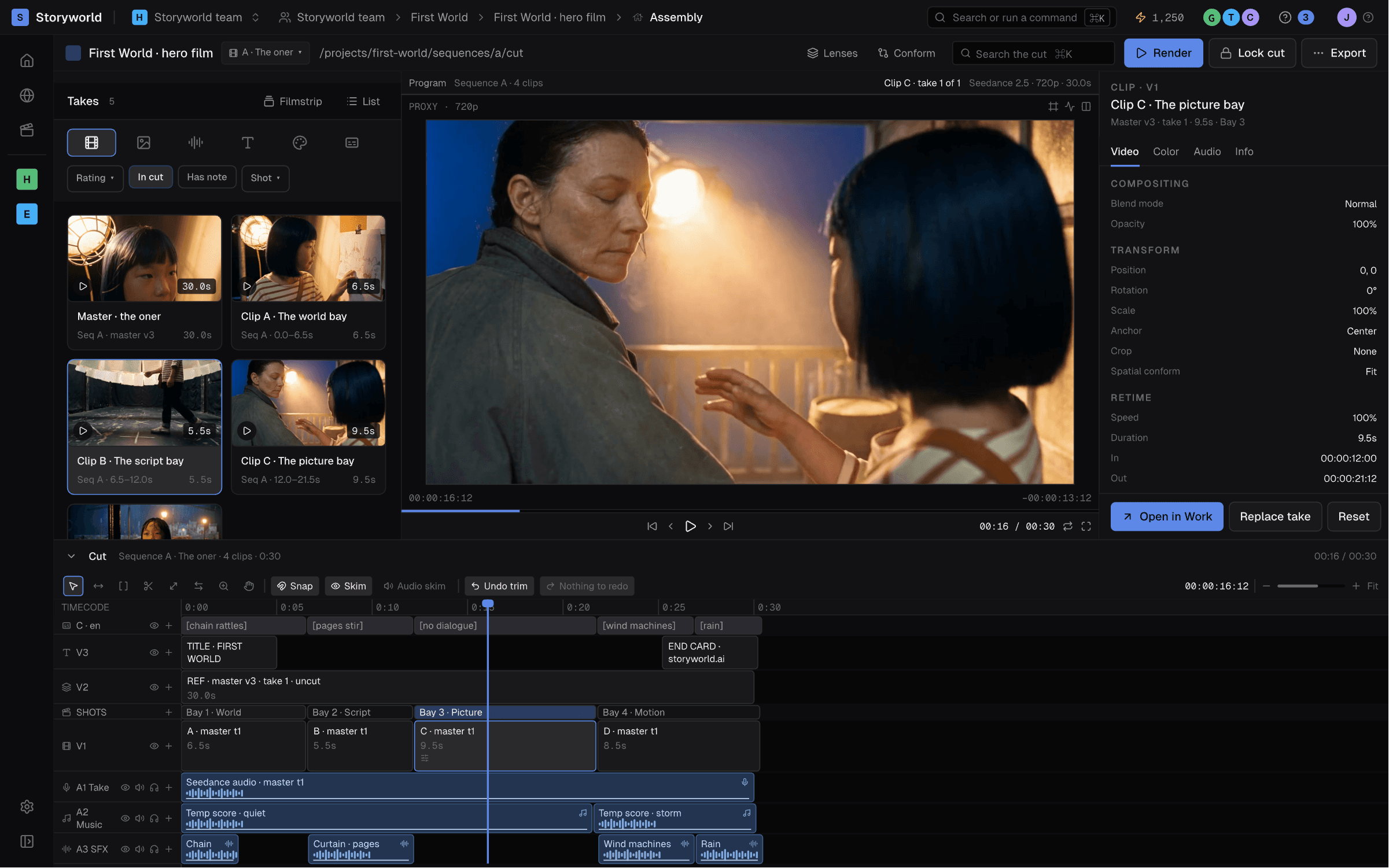
Storyworld assembly of the First World hero film: a takes bin of hero-film frames, Nara and Mei on the porch in the program monitor, and a cut timeline with the four bays as shots, captions, temp score and effects lanes
Assembly · the four bays as shots on the timeline, with caption, score and effects lanes under them
Two front doors

Drive it with your agent. Or take the wheel yourself.

The same World, two ways in. Your own Claude or Codex can run the pipeline over MCP while the canvas stays there for the shot you want to direct by hand.

Your agent

Point Claude, Codex or any MCP client at one endpoint. It reads the script, breaks it into sequences and shots, creates the assets and starts the generations.

$ claude mcp add --transport http storyworld \      https://storyworld.ai/mcp> world_get first-world> seq_sequences_list first-world
MCP endpointhttps://storyworld.ai/mcp

The canvas

When one shot needs a human, open it. Reframe, re-take, swap the variant — the World stays canonical underneath whatever you change.

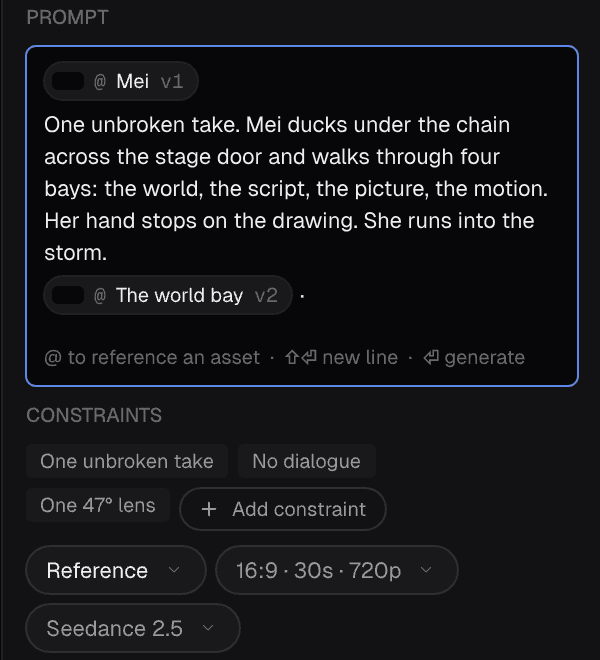
Storyworld compose panel: a shot prompt that references @Mei v1 and @The world bay v2 by name, with constraint chips and the model picker
Compose · references by name, constraints as chips
Who it's for

Built for series, run by a team.

Anyone whose next episode has to match the last one. Sign in and you are a one-person team with a World of your own; invite a director, an animator or an editor when the work needs more hands.

  1. 01

    Series work, several pairs of hands

    Studios, agencies and brand teams where the same cast has to hold across dozens of episodes, whoever is on the shot that day.

  2. 02

    Four roles the platform enforces

    Lead, director, animator, editor. The lead owns billing, the director owns the canon, and one shared wallet sits behind all of them.

  3. 03

    Cost quoted before it runs

    Every generation shows its price before anyone confirms it, whether a person or an agent asked. Failed renders go back to the wallet.

  4. 04

    Your agent has a seat too

    Claude, Codex or any MCP client drives the same pipeline as the people in the room, from a script to rendered takes.

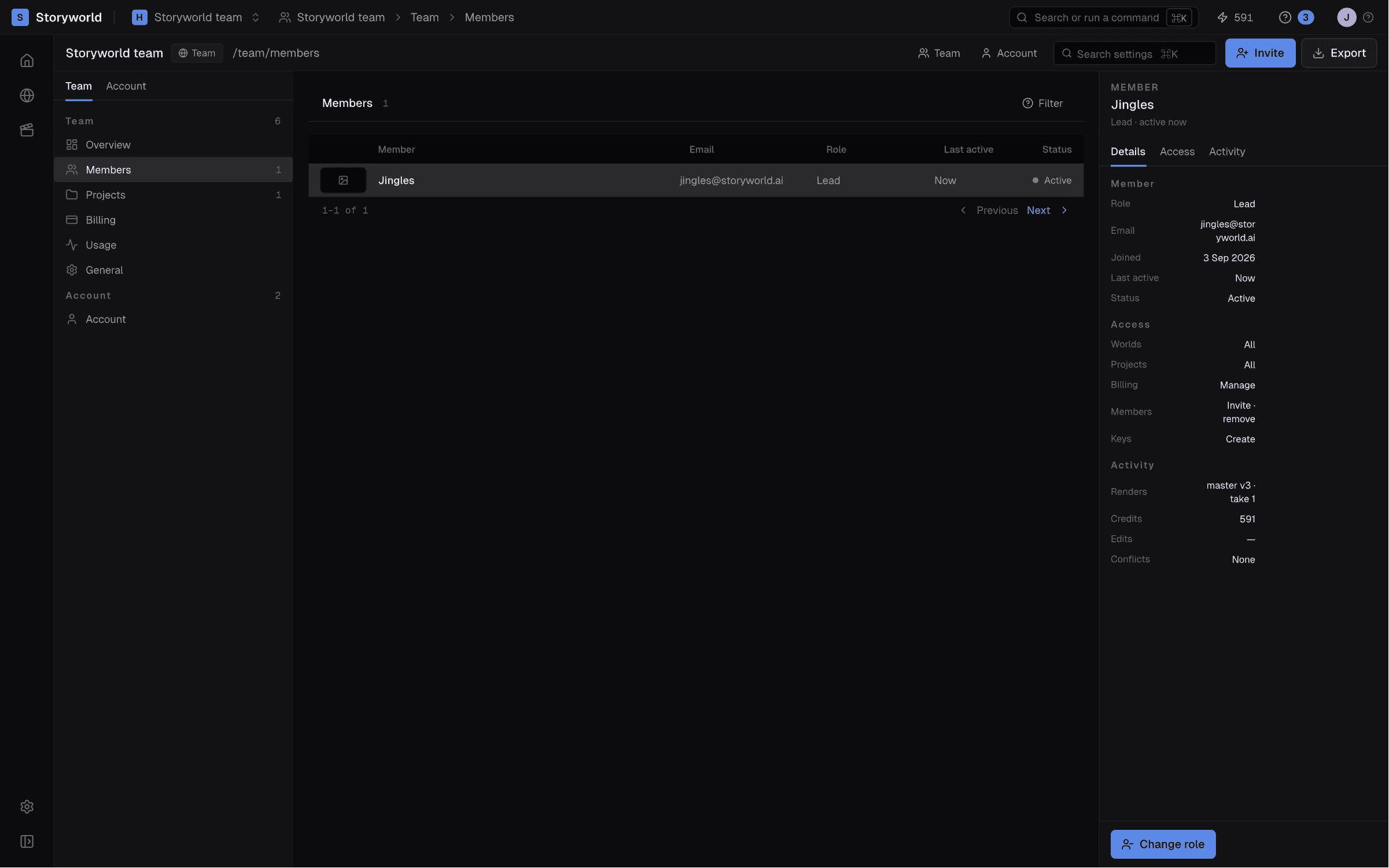
Storyworld Team Members screen for a one-person team: one member, Jingles, listed as lead with an Invite button in the header, and the member's role, access and activity open in the inspector
Team · Members. A one-person team on the day it signed in, Invite waiting for the second seat
Pricing

No subscription until someone else is in the room.

A one-person team pays nothing a month. Bring a second seat and every seat is billed, the lead included: $198 a month for two.

One seat

No subscriptionfor a one-person team

Generation is metered from your wallet. Nothing recurs.

  • Your own World, the canvas and MCP
  • Pay only for what you generate
  • Still a Team — add a seat when you are ready
Sign in
Two or more seats

$99per seat, per month

Every occupied or reserved seat, the lead included. $990 a seat per year.

  • Shared Worlds across the team
  • Lead, director, animator, editor
  • One team wallet, allowance each cycle
Sign in
FAQ

Questions a producer asks first.

Short answers. Each one is a promise the product keeps, and each has a row in the claims register.

Do I need an invitation to start?

No. Sign in and Storyworld provisions a one-person team with its own World. There is no subscription until a second seat joins.

Who owns what I generate?

You do. Storyworld takes no licence over your output, and your assets are never used to train models.

Where are my assets stored?

In a Singapore region.

What can I export?

MP4, up to 4K.

How is generation billed?

Every generation is quoted before it runs and drawn from one team wallet. Failed renders are refunded.

Can my own AI agent use Storyworld?

Yes. Claude, Codex or any MCP client connects to one endpoint and can create Worlds, break a script into sequences and shots, and start generations.

How long does a team take to set up?

One working session to stand up a team's first World.

How does Storyworld keep a character consistent between episodes?

Every shot's prompt references assets in the World by name. The character sheet is the source, not a description retyped from memory, so episode seven compiles from the same assets as episode one.

Build your first World today.

Sign in, name a World, add one character, and shoot the first shot from it.

Sign inConnect your agent